
Commercial Solar Battery Rebate Townsville
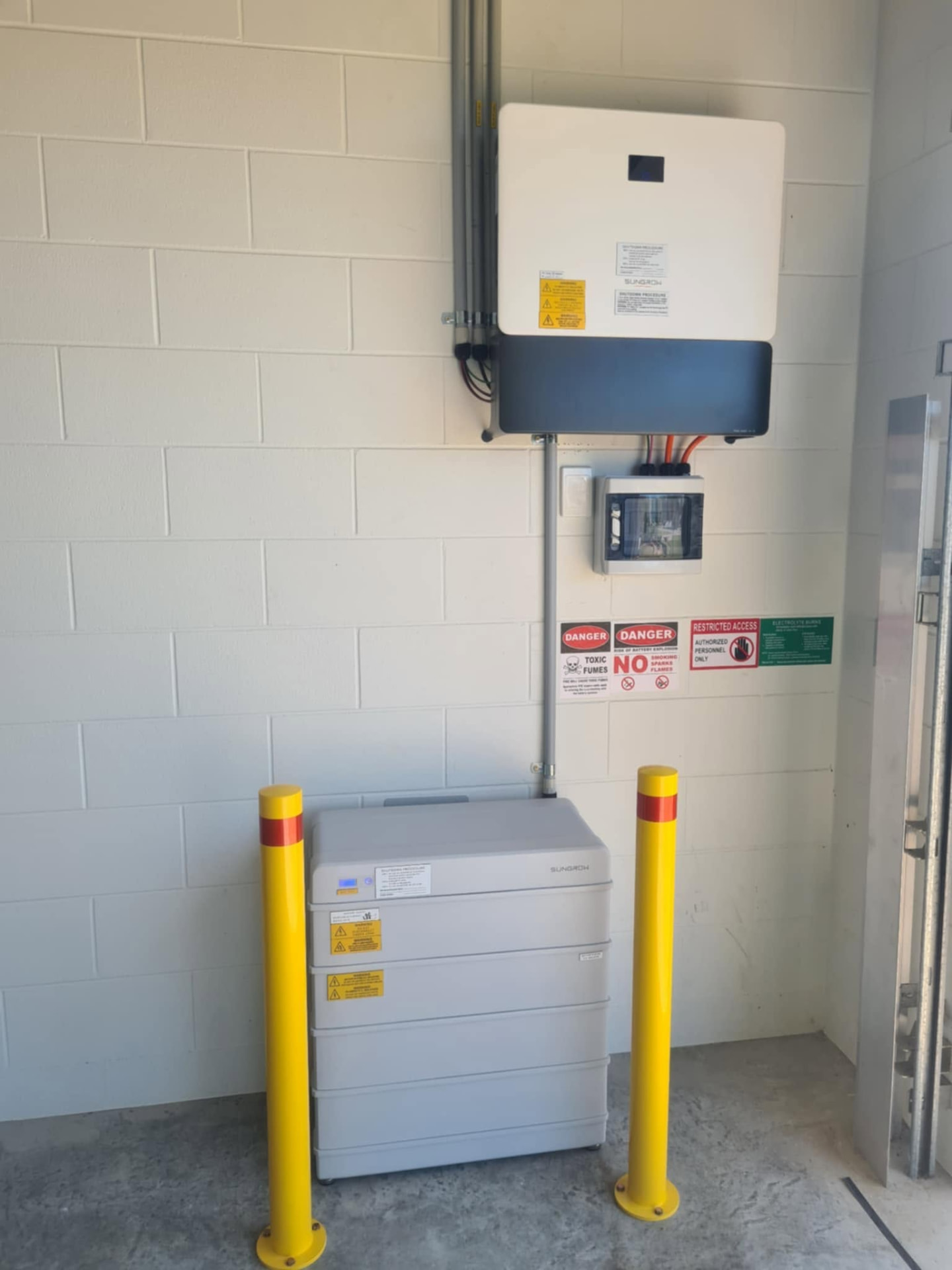
Commercial solar battery rebates and incentives may help reduce the upfront cost of eligible battery storage systems for Townsville businesses.
For some businesses, solar panels can reduce electricity costs during the day. But electricity use often continues after solar production falls.
Air conditioning, refrigeration, lighting, machinery, and other equipment can continue using power into the evening. A commercial battery can store electricity for later use.
However, battery storage is not suitable for every business. The financial outcome depends on how the business uses electricity, the cost of the battery, available incentives, and the site's existing energy setup.
Are there commercial solar battery rebates in Townsville?
Commercial battery incentives may be available to eligible businesses, depending on current government programs and the type of battery system being installed. The incentives available can change over time.
There is no single commercial solar battery rebate in Townsville that applies to every business.
The availability and value of an incentive may depend on:
Businesses should check the current requirements before making a decision based on a rebate amount.
How do commercial battery incentives work?
A commercial battery incentive may reduce the upfront cost of an eligible battery installation.
The way the incentive is applied depends on the program.
Before proceeding, businesses should understand:
What does a commercial solar battery do?
A commercial battery stores electricity for later use. During the day, solar panels generate electricity. The business uses the electricity it needs to run its operations.
If the solar system produces more electricity than the business is using, some of the excess may be used to charge the battery. Later, when solar production decreases, the business may use the electricity stored in the battery.
Once the battery has been discharged, or when electricity demand exceeds what the battery can supply, the business may purchase electricity from the grid.
Why are Townsville businesses considering battery storage?
Electricity use does not always match solar generation. A business may generate significant solar electricity in the middle of the day but continue using power into the afternoon and evening.
For example, a business may need electricity for:
A commercial battery can store some electricity generated earlier in the day for use later. This may help a business reduce the amount of electricity it needs to purchase from the grid at certain times.
Commercial battery storage and Townsville's climate
Townsville businesses can have significant cooling requirements. Air conditioning can be an important part of daily electricity consumption, particularly during the hotter and more humid months.
A business may generate solar electricity while operating during the day, then continue using air conditioning after solar production starts to decline. Battery storage may be considered as one way to move some daytime solar generation to another time.
However, a battery should not be assessed based on the climate alone. The business's actual electricity data is more useful.
Can a commercial battery reduce business electricity costs?
Potentially, yes. A battery can change when a business uses electricity. The financial outcome depends on several factors, including:
Commercial electricity arrangements can also be more complicated than residential electricity plans. This means the same battery may have very different financial results for two businesses.
Understanding commercial battery return on investment
Businesses often want to know how quickly a commercial battery will pay for itself. There is no guaranteed payback period. Battery storage can involve a significant upfront investment, even when an incentive is available. The return on investment depends on:
Does a commercial battery need solar panels?
Not always. Commercial battery storage can be considered with a new solar installation or added to some existing solar systems. In some cases, a business may consider battery storage for other energy management purposes. If the business already has solar panels, it is useful to review:
How much commercial battery storage does a business need?
There is no standard battery size for every business. A larger battery can store more energy, but it also increases the upfront cost. The appropriate size depends on how much electricity the business uses, when it uses that electricity, and how much energy is available to charge the battery. Factors to consider include:
Commercial battery storage and electricity tariffs
Electricity tariffs can have a significant effect on the financial value of battery storage. Commercial electricity costs may include different charges depending on the business and its electricity arrangement. Businesses should understand their current tariff structure before assessing a battery. This may include:
Can a commercial battery provide backup power?
Some commercial battery systems can provide backup power during an outage. However, backup capability is not standard across every battery installation.
The level of backup available depends on the battery, the inverter, the system design, the site's electrical infrastructure, and the amount of power required by the business.
A system may be designed to support selected equipment rather than the entire business, such as essential lighting, refrigeration, IT equipment, security systems, and communications equipment.
What should businesses check before installing a commercial battery?
Commercial battery storage can involve a significant investment. Before proceeding, businesses should review the full proposal:
Commercial battery incentives can change
Government programs and incentives can change. Funding, eligibility requirements, approved equipment, and program dates may also change. Businesses should confirm current information before signing a contract.
Check whether an incentive is currently available, the eligibility requirements, approved equipment requirements, installation requirements, any application deadlines, and the final cost after incentives.